Shrimp & Invertebrates
Food, minerals and shelters for dwarf shrimp, snails and other invertebrates – plus guidance on the right water parameters.
New in this category
- New

- New

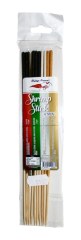
CeramicNature
Shrimp Stick Lolly-Mix (10 Pieces)
Delivery time: 3-4 Days
9,95 €7 % VAT incl. excl. Shipping costs - New

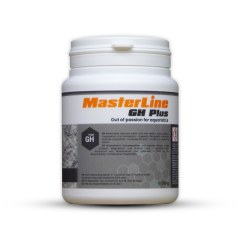
Masterline
MasterLine GH Plus (250 g)
Delivery time: 3-4 Days
21,99 €19 % VAT incl. excl. Shipping costs - New

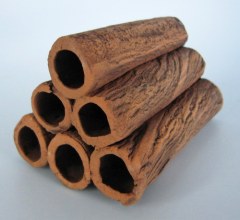
Orbit
Ceramic Shrimp Tube, Pack of 6
Delivery time: 3-4 Days
12,99 €19 % VAT incl. excl. Shipping costs
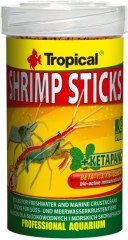
Dwarf shrimp are among the most popular inhabitants of nano aquariums. They are small, peaceful and active all day, and they help keep the tank clean by grazing on biofilm, algae and leftover food. For them to thrive and breed, what matters most is stable water, a fully cycled tank and moderate feeding. Here you will find shrimp food, for example from Tropical and CeramicNature, minerals for remineralising soft water and ceramic shelters.
Neocaridina or Caridina: the water decides
Before choosing shrimp, it is worth taking a look at your tap water. You can get its values from your water supplier or measure them with a test kit.
- Neocaridina (for example Red Fire or Blue Dream) are adaptable and cope with many tap waters, roughly at pH 6.5 to 8 and medium hardness. Ideal for beginners.
- Caridina (for example Crystal Red or Taiwan Bee) need soft, slightly acidic water, around GH 4 to 6 °dH, KH 0 to 1 °dH and a pH of about 6 to 6.8. This is usually achieved with reverse osmosis water, a GH-only mineral salt and an active soil.
- Do not keep different Neocaridina colour varieties together if you want to preserve their colours: they interbreed.
What shrimp need
Shrimp are more sensitive to sudden changes than to values that are slightly off. So introduce new shrimp slowly, for example by drip acclimatisation, and favour small, regular water changes.
- Food: little but varied – remove leftovers after a few hours.
- Minerals: Shrimp need enough calcium and magnesium in the water to moult successfully. Snails need them for their shells, too.
- Shelter: Moss, dense planting and tubes protect freshly moulted and young shrimp in particular.
- Beware of copper: Many medications and some additives contain copper, which is toxic to invertebrates.